


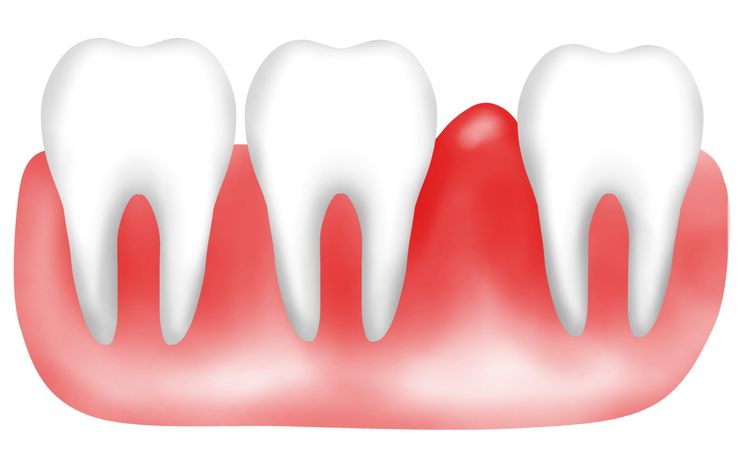
When you see a little red in the sink after brushing or flossing, it’s easy to ignore. However, bleeding gums are usually a signal from your body that something needs attention.
This guide will help you understand why your gums might be bleeding and how you can get your oral health back on track.
Why Are My Gums Bleeding?
Most people assume bleeding gums just mean they brushed too hard. While that can be true, there are several other common causes:
1. Gingivitis (Early Gum Disease)
The most common cause is plaque—a sticky film of bacteria—building up along your gum line. If it isn’t cleaned away, it makes your gums red, swollen, and prone to bleeding. This is the first stage of gum disease, called gingivitis.
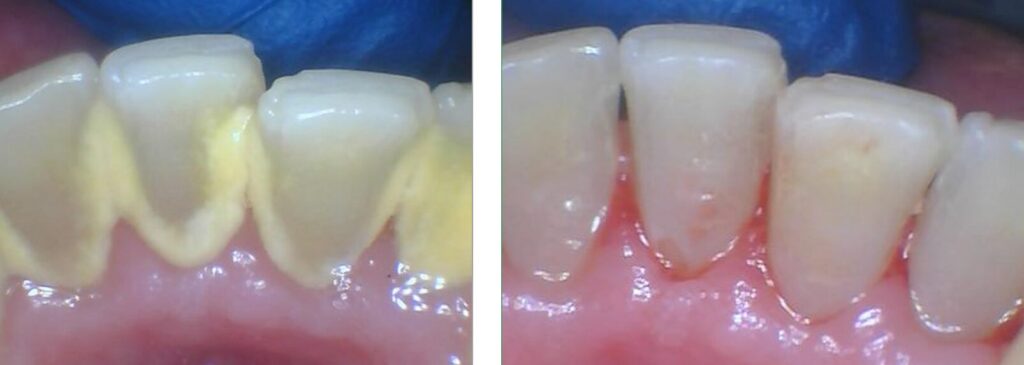
(In the left photo, you can clearly see the yellow dental calculus (tartar) buildup along the gum line. The photo on the right shows the immediate difference after a professional cleaning. At Finesse Dentistry in Boston, we always provide ‘before and after’ pictures so our patients can see the healthy results for themselves.)
2. Neglecting Your Flossing Routine
If you don’t floss regularly, plaque remains trapped between your teeth where a toothbrush can’t reach. When you finally do floss after a long break, your gums may bleed because they are inflamed and sensitive from the bacteria buildup. The “cure” for this isn’t to stop flossing, but to do it more consistently so your gums can toughen up and heal.
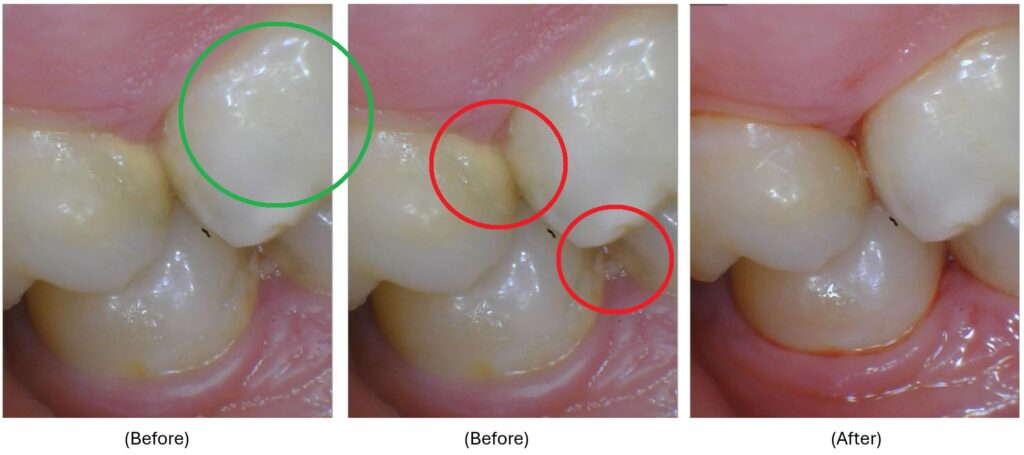
(In the image above, you can see that the patient is brushing their teeth well—the surfaces highlighted in the green circle are clean and bright. However, neglecting the areas between the teeth leads to problems. In the red circle, you can see where plaque and calculus (tartar) have built up because those gaps weren’t cleaned.)
3. Family History and Genetics
Sometimes, you can follow a perfect routine and still experience bleeding. Research shows that genetics play a role in how your body responds to bacteria. If your parents or grandparents struggled with gum disease (periodontitis), you may be more susceptible to gum inflammation and bleeding.

But don’t worry too much if you have a family history of gum disease. While you cannot change your DNA, you can manage it effectively with professional care and a consistent daily routine. Knowing your history simply means we can work together to stay one step ahead of potential issues.
4. Pregnancy Gingivitis
Hormonal changes during pregnancy can make gums extra sensitive and more likely to bleed. This is very common but still requires extra care. Again, don’t worry too much if you are pregnant. If you manage your gums well with professional care and a good daily routine, your gums will stay healthy throughout your pregnancy.

5. Medications and Health Conditions
Certain medications (like blood thinners) or health issues like vitamin C or K deficiencies can make bleeding more likely. Even stress and smoking play a role in how well your gums heal.

When Is It an Emergency?
Usually, bleeding gums can wait for a scheduled dental visit. However, you should call an emergency dentist immediately if:
- The bleeding is heavy and won’t stop.
- Your gums are severely painful or throbbing.
- You notice extreme swelling or a high fever.
- You have a loose permanent tooth.
How to Treat and Prevent Bleeding Gums
The good news is that early gum issues are often reversible! Here is how you can treat them at home and with professional help:
- Switch to a Soft Toothbrush: Always use “soft” or “extra-soft” bristles. Firm bristles can actually scrub away your protective enamel and hurt your gums.
- Brush Twice a Day: Focus on the area where the tooth meets the gum. Move in gentle, circular motions rather than scrubbing back and forth. Check out the post below for more information.
- Floss Daily: Flossing removes the plaque that your toothbrush can’t reach. If it bleeds at first, don’t stop! After about a week of consistent, gentle flossing, the bleeding should go away as your gums get healthier.
- Visit Your Dentist for a Professional Cleaning: Even the best brushers can’t remove “tartar” (hardened plaque). Only a dental professional can scrape this away to allow your gums to heal.
- Eat a Balanced Diet: Foods rich in Vitamin C (like oranges) and Vitamin K (like leafy greens) help strengthen your gum tissue.
💡 Pro Tip: If you are interested in learning more about severe gum disease, periodontitis, check out this blog as well.
Summary: Don’t Wait for the Pain
Healthy gums should be pink and firm, not red and bleeding. If your gums bleed every time you brush, it’s time to see a dentist. Catching the problem early is the best way to avoid more serious issues like tooth loss or expensive surgeries later.
Ready for a healthier smile? Schedule a check-up at Finesse Dentistry & Implant Center today. We are here to help you stop the bleeding and protect your teeth for a lifetime!
Visit Us in Downtown Boston
We are conveniently located to serve patients in Boston Downtown, Chinatown, the Financial District, and the Seaport.
Finesse Dentistry & Implant Center
617-286-6515 (Call/Text)
support@FinesseBoston.com
183 Essex St, Boston, MA